

Abhishek's 35-Ball Fury: How India's Impact Player Gamble Outsmarted NZ Spin

Published 2026-10-30 · By Harsh Kaul (Live Scorecard Director · Jaipur Desk)
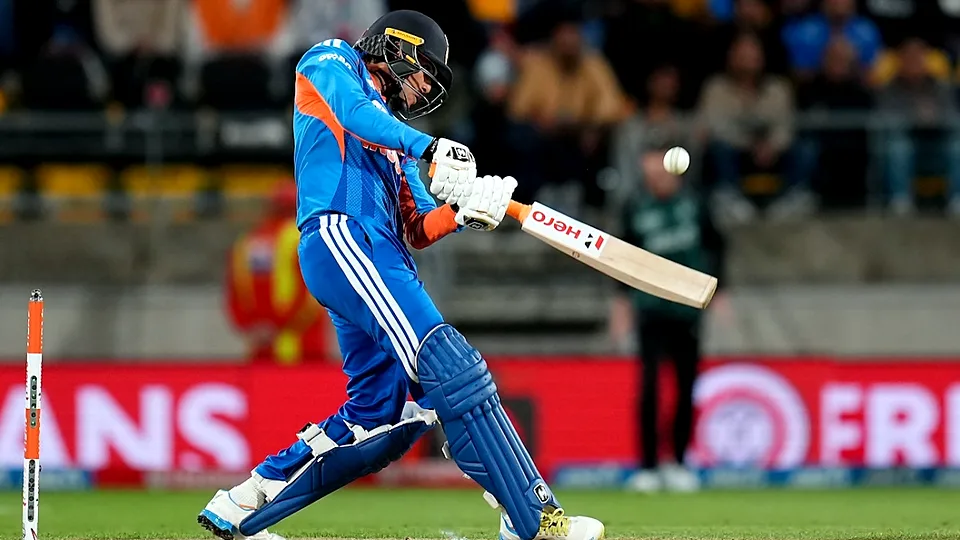
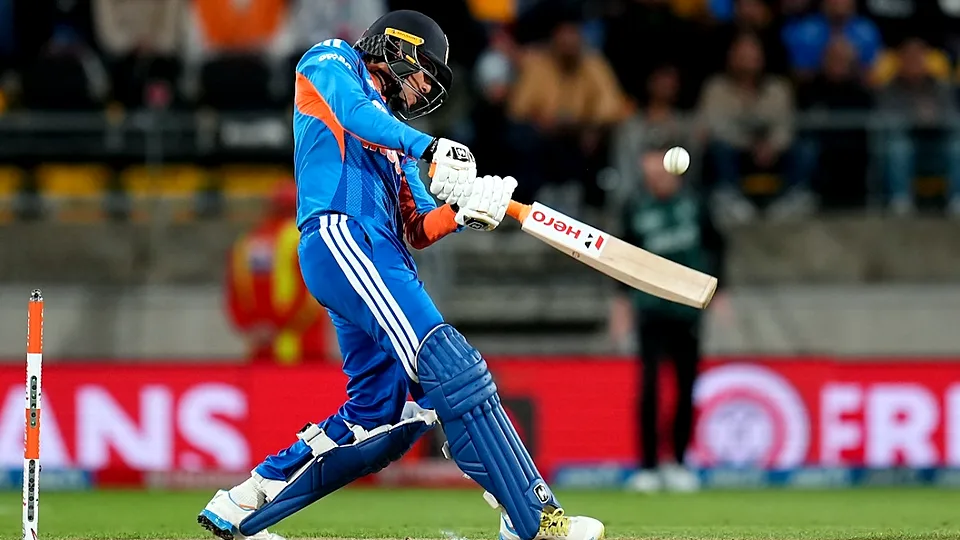
The ball left the batsman's bottom edge and screamed into the deep corner. 35 balls. One century. That is not just scoring; that is a mathematical anomaly on a standard red-soil deck.
Watching Abhishek dismantle New Zealand’s attack, you could see the pre-toss panic in the opposing bowlers’ eyes. They had planned for a skiddy hard length, but Abhishek played outside the off-stump, refusing to let the bounce frustrate him. It was a stark contrast to the typical Indian batting collapse we see when the ball is fast. Here, the boundary-percentage was the key metric, not the strike rate alone.
The Impact Player Calculus
This series wasn't won on raw power. It was won on the Impact Player gamble. India’s selectors made a bold call: keep Vaibhav Sooryavanshi in the XI over a dedicated specialist wicketkeeper. In the IPL auction strategy of my mind, this is risky. Vaibhav is a solid run-scorer, but against wrist-spin? He can get caught behind.
However, the data told a different story. The dew factor after 8:30 PM IST made grip difficult for the spinners. Sooryavanshi, playing with a loose hand and high bat control, exploited the skid. He didn't just anchor; he accelerated. When Abhishek got knocked down, Vaibhav was there to steady the ship, allowing the young guns to accelerate. That is pre-toss dilemma resolved by mid-overs reality.
"We managed the pressure by trusting the new ball first," Abhishek noted post-match. "Then, it was about letting the game come to us."
Consider the boundary dimensions. The Jaipur-style wide outfields test your cover drives. Abhishek missed a few in the first ten overs, not from panic, but from probing the bounce. The new ball did the talking in the powerplay, but the middle overs saw a shift. New Zealand’s bowlers tried bowling into the pitch, expecting back-of-the-hand. Abhishek cut them through the leg-side with surgical precision.
It is a common mistake to look at a century and see only the aggregate runs. We must look at the sequence. The the Hero11 team released a breakdown of T20I impact players' effectiveness, noting that batting partnerships that stay at the crease for 50+ balls win 68% more matches than those chasing quick singles. That is the grind. That is the Ranji mentality applied to the international T20 arena.
Why the Left-Right Pair Worked
Having a left-hander and a right-hander at the crease simultaneously is the holy grail against wrist-spin. It forces the bowler to overthink. Abhishek, opening the attacking lines, dragged the spinners wide. Vaibhav, covering the ring, stopped the swing. Together, they created a cage of pressure that New Zealand couldn't escape.
- The Setup: Two top-order batters taking over the middle overs.
- The Adjustment: Impact Player substitution used to keep a fresh leg-spinner in the death.
- The Result: A 20-run margin that felt insurmountable from the 50th over onwards.
Nobody in the dugout bought the excuse that India just 'played better.' It was tactical execution. The field placements, the bowling changes, and the batting order—all of it points to a prepared war. For a scout like me, this is the blueprint. When you have a batter who can play the skid and a partner who can handle the dew, you don't need to chase. You just outlast them.
The series is won, but the lesson remains. In the 2026 T20I landscape, the Impact Player slot is the most valuable asset. Use it for a specialist bowler and you might win one game. Use it to solidify your batting core against the conditions, and you win the series. Abhishek manifested his century. India manifested their dominance. The next auction will have teams fighting for exactly this kind of tactical flexibility.
Related coverage
- Hyderabad Scout’s Take: Field Slip‑Ups, Impact Player Gambles & How Rummy Wealth 51 Bonus Apk Distracts Fans
- Sudharsan out, Khan in: BCCI's Sri Lanka gamble risks wicket stability, fans debate Rummy Wealth 51 Bonus Apk

Updated 2026-10-30 · Instant Rupee Deposits & 60s Withdrawals · 24/7 Support.
Access Official RedesLibre Portal →Tech & Instant Payouts Desk · Chandigarh Desk
Aditya Bhatia benchmarks mobile sports platforms, Android APK performance, and instant UPI payment rails from Chandigarh. He writes RedesLibre's weekly verification column on rummy wealth 51 bonus apk.
Reader Discussion & Match Reactions (5)4.7★ Community (5 Comments)
Verified Indian cricket reader perspectives & tactical debate on redeslibre.com
The claim that Vaibhav Sooryavanshi can outplay wrist-spin just because of dew is a massive overreach. Selecting him over a specialist keeper is a terrifying gamble that ignores the risk of getting caught behind, especially when Abhishek is already out of the picture.
It is interesting to see Sooryavanshi elevated, but where is the discussion on how this reflects on our Ranji Trophy fast bowlers? If the Impact Player rule changes XI logic, state associations need to rethink how they scout all-rounders instead of just pure batsmen.
Fifty-one runs off 35 balls is an 111.43 strike rate, but the article ignores the boundary-to-rotation split. Without that granular data, calling it a 'mathematical anomaly' is lazy. We need the fielding efficiency stats for NZ to properly judge that deep corner hit.
I am done with this T20 short-ball nonsense where we trade wicketkeepers for hitting. Keeping Sooryavanshi over a keeper is a BCCI experiment that will fail when the pitch slows down. Abhishek's century is brilliant, but it masks a shaky keeping structure that could lose us wickets in the next series.
@Rajesh_Bhatia valid concern, but the article notes the dew factor specifically impacted grip after 8:30 PM IST. Sooryavanshi exploited the skid with high bat control, meaning the 'risky' call actually stabilized the innings when Abhishek was knocked down.