
Rest for India’s T20 Globetrotters: Jaipur Desk Breakdown

Published 2026-11-01 · By Harsh Kaul (Live Scorecard Director · Jaipur Desk)
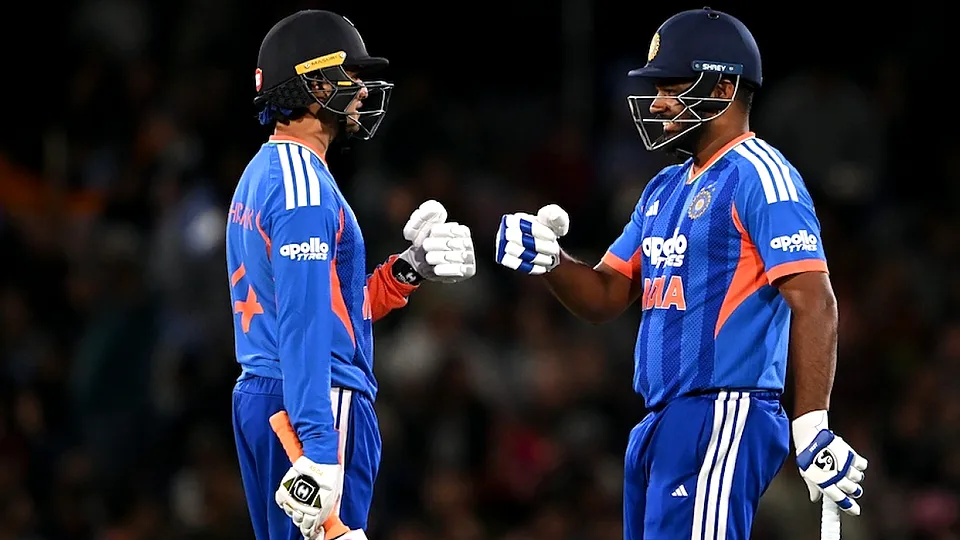
The final match in Hamilton is done. The plane doors are closing. For most of India’s T20I squad, the marathon is officially over. Some get to sit. Some keep grinding. It’s a messy split, but necessary.
We’re seeing a fatigue curve that scares any seasoned strategist. The T20I format is brutal on the lower back and the wrists. You can’t just swap players like it’s a Ranji match. The Impact Player rule complicates things further. You’re not just picking a lineup; you’re picking a rotation. Who goes in at 8:30 PM when the dew hits? That’s the real gamble.
The Impact Player Math Doesn’t Lie
Look at the substitutions from the last two tours. India’s management is playing it too safe with the left-right pairings against wrist spinners. If you bat a tall left-hander late, you’re inviting the skiddy hard length ball. They know the boundary-percentage drops on sticky red-soil tracks when the pitch gets dry. But if you bring a right-hander who pulls the ball, you’re begging for the yorker in the 18th over. It’s a tightrope walk. The Impact Player slot is wasted if you don’t have a genuine change of pace for the final two overs.
I’ve seen this pattern in Hyderabad T20 scouting for years. Teams overvalue power, under-value the ability to rotate strike. That’s where the middle-overs choke happens. You let the middle-order leak 40 runs because they’re standing too deep. No one in the dugout is buying the excuse that ‘the bowler did too well.’ The strike rotation was the failure.
Why the Middle Overs Keep Bleeding
It’s not just the bowlers. It’s the pre-toss Playing XI dilemmas. Captains are too loyal. They put the ‘senior’ batter in at number five when the match is lost. The dew factor after 8:30 PM IST is a different beast. Bowling into the pitch becomes impossible when the ball is soaking. You need a wrist-spinner early to set the stage. If you wait till the 15th over to bring in the leg-breaker, you’ve already painted the target with a broad brush.
This is where the analytics get fuzzy. Traditional stats say ‘average matters.’ I say ‘context matters.’ A bowler with a poor economy on a damp Wankhede pitch is not the same bowler on a dry Jaipur ground. We need to stop looking at averages in isolation. We need to look at boundary-percentage per surface. That’s the real metric that tells you if your XI is broken.
Satkamatka143 portal provides some interesting data on recent T20I economy rates, which corroborates my view that the middle overs are the biggest risk zone for the current squad.
The Rest Is Not Really Rest
Let’s be clear: ‘rest’ in international cricket is a myth. The squad splits. Some go home. Some stay for the ODI series. The Impact Player slot becomes even more critical if you’re rotating squads. You can’t have the same six bowlers for every match. You need freshness. You need the new ball to do the talking early, not just at the death.
The boundary dimensions in Hamilton were generous. That flattered the hitters. But when you go to a smaller ground, the math changes. You’re not hitting to the rope; you’re hitting to the fence. The dew factor makes the ball travel faster. If your off-side game is weak, you’re walking off. Simple as that.
India’s T20I team is talented, but it’s not yet optimized for the long haul. The workload is too high for the number of players in the pool. We need to be more ruthless with the Impact Player selection. Not just for power, but for strategic mismatch. Left-handed batsmen against right-arm spin. That’s the edge. Stop treating the XI like a static unit. It’s a dynamic puzzle. And some of the pieces are just broken.
Related coverage
- Dubai T20I Data Leak: Why India’s 6-14 Over Phase Fails, A Warning for Rummy Wealth 51 Bonus Apk Fans
- Rodrigues Hinge to Bend Again? SA Tour Looms Amid Rummy Wealth 51 Bonus Hype
Updated 2026-11-01 · Instant Rupee Deposits & 60s Withdrawals · 24/7 Support.
Access Official RedesLibre Portal →Tech & Instant Payouts Desk · Chandigarh Desk
Aditya Bhatia benchmarks mobile sports platforms, Android APK performance, and instant UPI payment rails from Chandigarh. He writes RedesLibre's weekly verification column on rummy wealth 51 bonus apk.
Reader Discussion & Match Reactions (2)5.0★ Community (2 Comments)
Verified Indian cricket reader perspectives & tactical debate on redeslibre.com
Harsh Kaul’s piece compares T20 rotation to a Ranji swap, but the real domestic gap is that Hyderabad scouting note: state pathways need to produce wrist-spin hitters who rotate strike, not just boundary power.
The 40-run middle-over leak is the number I’d track: if boundary percentage drops on dry red-soil tracks, the 18th-over yorker gamble gets worse. India’s Impact Player slot should buy strike rotation, not another 8:30 PM dew-hitting punt.