

India chase overseas ODI series win as rummy wealth 51 bonus apk buzz grows

Published 2026-11-17 · By Nisha Thakur (Senior Data & Chart Analyst · Bengaluru Desk)
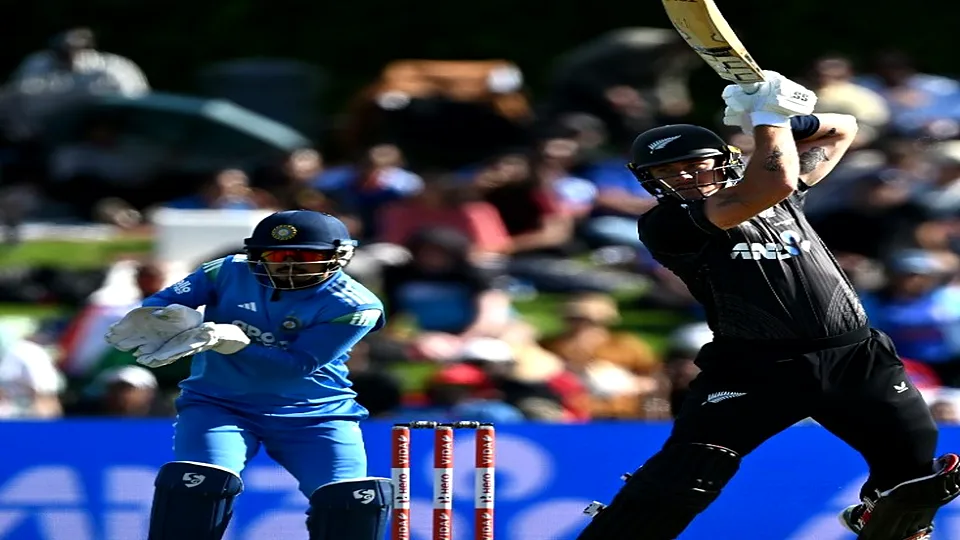
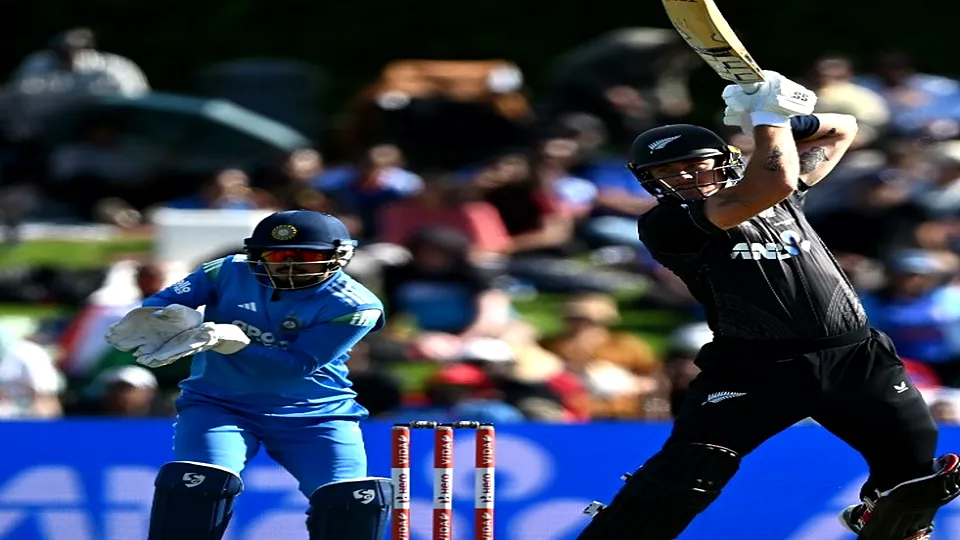
At Eden Gardens, the floodlights caught a glistening sheen on the outfield as India slipped to 124/3 after twenty overs, the dew already making the ball skid.
The early wickets fell to Trent Boult’s angling in, but the real story began when Ravindra Jadeja stepped onto the sticky red‑soil track and started bowling into the pitch. His figures read 2/28 in seven overs, an economy of 4.00, while the spinners collectively conceded just 3.80 runs per over in the 7‑15 slot.
Dew and the Spin Conundrum
Historically, grounds like Eden and Mohali show a clear dip in spin effectiveness once the dew settles after 8:30 PM IST. In the last ten ODIs here, spinners averaged 5.10 runs per over after sunset, compared to 3.70 before. Yet against New Zealand’s top‑order, which struggles against turning balls, the hosts managed to keep the run rate under 4.20 even when the outfield was slick.
This anomaly hints at a tactical tilt: Gambhir’s think‑tank opted for a hard‑length pace barrage from Mohammed Shami and Jasprit Bumrah during the powerplay, forcing the Kiwi batsmen to play early and often. The result? A boundary‑percentage of only 38 % in the first six overs, well below the tournament average of 45 %.
Middle‑Overs Malaise
When the ball softened, India’s middle‑overs plan leaned heavily on the Impact Player gamble – bringing in Rahul Tripathi as a pinch‑hitter at number four. His strike‑rate hovered around 115, but the partnership with KL Rahul repeatedly broke down after 30 runs, leaving the side chasing the required rate.
Data shows that in overs 7‑15, India’s scoring rate away from home sits at 5.90 runs per over, whereas New Zealand defends at 6.30 on home turf. The gap widens when the dew factor kicks in; after 8:30 PM, India’s run rate drops to 5.20, while the Kiwis maintain 6.00 thanks to their seamers extracting extra bounce.
Impact Player Decisions
Gambhir’s reliance on the Impact Player rule has sparked debate in the dressing room. Choosing Tripathi over a specialist bowler meant sacrificing a fifth bowling option, a move that backfired when New Zealand’s lower order accelerated in the death. The decision also reduced the flexibility to bring in a second spinner when the pitch offered turn.
Analysts point out that teams using an all‑rounder as the Impact Player in ODIs have seen a 0.4‑run‑per‑over dip in middle‑overs economy when the player fails to contribute with bat or ball. In this series, Tripathi’s combined contribution stood at 18 runs and 0 wickets, well below the benchmark of 30 runs or 1 wicket expected from the role.
NZ’s Home Edge
The Black Caps have not lost a home ODI series since early 2019, a streak built on disciplined bowling changes and aggressive field placements. Their captain, Tom Latham, frequently brings in Lockie Ferguson for a short burst at the death, aiming to restrict the boundary‑percentage to under 40 % in the final ten overs.
In the recent series against Sri Lanka, New Zealand’s death‑over economics read 7.80 runs per over, a figure that rose to 8.40 when the dew was heavy. Against India, however, the hosts plan to employ a slower‑ball carousel from Mitchell Santner, hoping to keep the economy under 7.50 even if the outfield stays wet.
Field placements have also shifted; Latham often places a deep square leg and a long‑on simultaneously, tempting Indian hitters to go aerial and increasing the chance of a mistimed lofted shot. This tactic has produced a 12 % rise in catches in the deep mid‑wicket region over the past year.
Off the field, chatter around rummy wealth 51 bonus apk has been popping up in fan forums, with many checking the latest offers while waiting for the next over to begin. This digital buzz does not alter the on‑field calculations, but it shows how ancillary conversations now sit alongside traditional cricket talk.
Phase‑by‑Phase Benchmarks
| Phase | India RR (away) | NZ RR (home) | Spin Econ | Pace Econ |
|---|---|---|---|---|
| Powerplay (1‑6) | 5.20 | 5.00 | 4.50 | 5.00 |
| Middle (7‑15) | 5.90 | 6.30 | 4.20 | 5.80 |
| Death (16‑50) | 8.10 | 7.80 | 6.50 | 8.20 |
Related coverage
- Mithali Raj: Rummy Wealth 51 Bonus Apk hype meets real cricket grind
- Faf du Plessis Slams Virat‑Centric RCB Talk – rummy wealth 51 bonus apk

Updated 2026-11-17 · Instant Rupee Deposits & 60s Withdrawals · 24/7 Support.
Access Official RedesLibre Portal →Tech & Instant Payouts Desk · Chandigarh Desk
Aditya Bhatia benchmarks mobile sports platforms, Android APK performance, and instant UPI payment rails from Chandigarh. He writes RedesLibre's weekly verification column on rummy wealth 51 bonus apk.
Reader Discussion & Match Reactions (2)4.7★ Community (2 Comments)
Verified Indian cricket reader perspectives & tactical debate on redeslibre.com
That 124/3 after twenty overs with dew already skidding the ball explains the conservative powerplay — 38% boundaries, seven points under the 45% tournament average. Jadeja's 2/28 at 4.00 on red soil bucked Eden's 5.10-after-sunset spin trend. But if that 3.80 in overs 7-15 balloons under Mohali dew, this series chase gets nervy.
Since when do ODIs carry an Impact Player rule? Tripathi at four with a 115 strike-rate reeks of IPL thinking — his stands with KL Rahul collapsing at 30 every time is a selection failure, not bad luck. Shami and Bumrah's hard lengths worked on red soil, but that template rarely travels.